“Back is for emergencies; the future is better than the past”
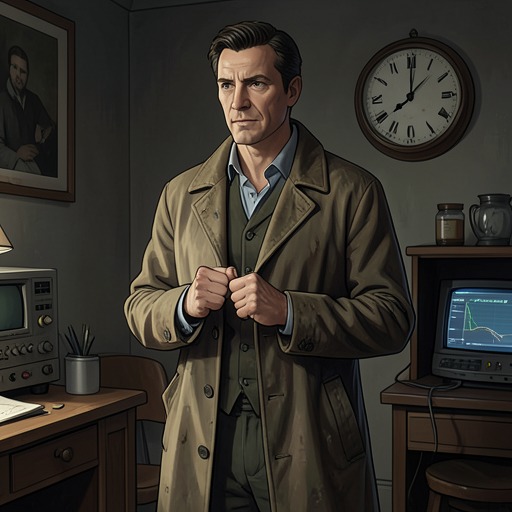
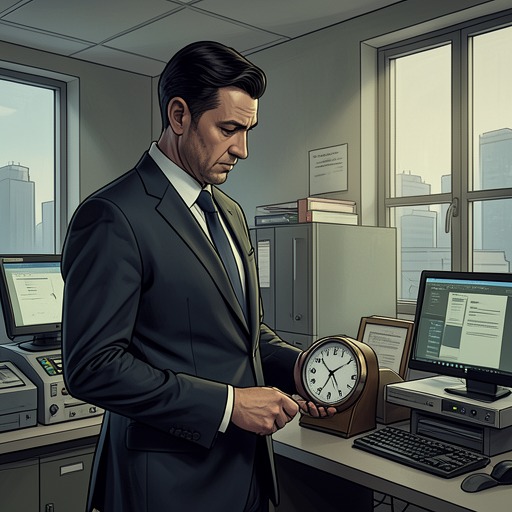
The Door into SummerDan Davis’s maxim, “Back is for emergencies; the future is better than the past,” condenses his hard-won choice at the close of The Door into Summer: he has found the life he wants and will not risk losing it by traveling through time again. The phrase turns his personal contentment into a broader argument for moving forward—through human ingenuity, practical work, and confidence in improvement.
Meaning and Context
Dan introduces the maxim after dismissing worries that successful time travel might create paradoxes or anachronisms. His confidence rests on a belief that human actions belong within the universe’s design, not outside it. He then shifts from speculation to personal conviction: he likes the world as he has found it, has found his Door into Summer, and would fear getting off at the wrong station if he traveled again.
The Future as a Choice
The saying does not rule out every journey into the past. Dan allows that a future son might travel, but says he would urge him to go forward rather than back; the past is an option for emergencies, not an ideal destination. The contrast gives the maxim its force: instead of treating earlier times as a refuge from the present, it makes the future the better direction because it remains open to improvement.
Work, Progress, and the Ending
Dan grounds that confidence in the human mind applying itself to its environment, and in the practical combination of hands, tools, horse sense, science, and engineering. The maxim is therefore not merely a time-travel rule: it joins personal commitment to a belief that people can make the world better through effort and invention. Its calm assurance is tempered by the ending’s tenderness. Dan likes the life he has chosen, but knows that Pete is growing older and will eventually have to take the Long Sleep; the future he embraces includes loss as well as possibility.